


Summer means more time outdoors at the beach, pool, park, or even just in the backyard. While sunshine can feel great, the ultraviolet (UV) rays it brings with it can silently damage your skin every time you step outside unprotected.
Here’s what you should know to enjoy the summer safely to reduce your risk of skin cancer and while still enjoying time outside.
Why Does Sun Protection Matter?
Sunlight contains invisible UV rays (called UVA and UVB) that penetrate your skin and cause real damage at the cellular level even before you notice a sunburn. Over time, this damage adds up and can lead to a variety of skin and health issues.

1. Skin cancer. Skin cancer is the most common cancer in the United States, with millions of cases diagnosed every year. About 92–95% of melanoma, the most dangerous type of skin cancer, is caused by UV exposure. Other common skin cancers like basal cell and squamous cell carcinoma are also strongly linked to sun exposure.
2. Premature aging. UV rays break down collagen and elastin, the proteins that keep your skin firm and smooth. Over time, unprotected sun exposure leads to wrinkles, sagging, age spots, and a leathery texture — changes that go far beyond normal aging.
3. Sunburn. A sunburn is your skin’s emergency response to too much UV radiation. Even a few serious sunburns can significantly increase your risk of skin cancer, especially during childhood and adolescence when your body is still growing.
Who Is At Risk of Sun-Related Health Issues?
While people with lighter skin are at higher risk for skin damage, UV rays can harm skin of all tones, which is why even those with darker complexions need to be protected when they go outside. No one is immune to the effects of sun exposure.
6 Simple Steps to Protect Yourself

1. Seek shade, especially between 10 a.m. and 4 p.m., when UV rays are strongest.
Remember: UV rays can reflect off water, sand, and concrete, so shade alone isn’t enough.
2. Wear protective clothing. Lightweight, long-sleeved shirts and pants made of tightly woven fabric offer excellent protection. Look for clothing labeled with a UPF (Ultraviolet Protection Factor) of 30 or higher for the best coverage.
3. Wear UV-blocking sunglasses. Protect your eyes and the delicate skin around them by choosing sunglasses that block both UVA and UVB rays.
4. Use broad-spectrum sunscreen with SPF 30 or higher. Apply it generously to all exposed skin at least 15 minutes before going outside. Most people don’t use enough — you need about a shot glass full (2 tablespoons) to cover your body. Don’t forget your ears, the tops of your feet, and the back of your neck.
5. Reapply sunscreen every 2 hours at least. If you’re swimming or sweating heavily this should be increased accordingly. Even sunscreens labeled as water-resistant will wear off over time.
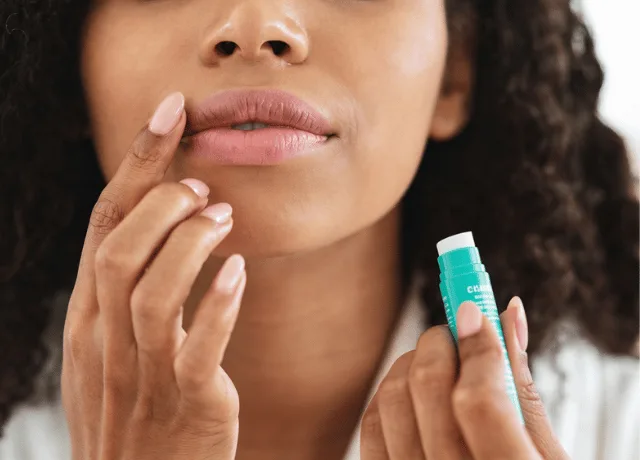
6. Protect your lips. Use a lip balm with SPF 30 or higher. The skin on your lips has very little natural pigment to protect it from the sun.
A Few More Things to Keep in Mind
- Cloudy days aren’t safe days. Up to 80% of UV rays can pass through clouds. You can get sunburned even when it’s overcast.
- Avoid tanning beds. Indoor tanning devices emit concentrated UV radiation and are a known cause of skin cancer, including melanoma. There is no such thing as a “safe” tan from a tanning bed.
- Protect children early. Childhood sunburns are especially harmful. Teaching kids sun-safe habits early can reduce their skin cancer risk.
- Combine strategies. No single method is perfect on its own. The best protection comes from combining shade, clothing, sunglasses, and sunscreen together.
The Bottom Line
A little planning goes a long way. By making sun protection part of your daily summer routine — not just at the beach — you can enjoy the outdoors while keeping your skin healthy for years to come. Talk to your doctor if you have questions about your skin cancer risk or if you notice any new or changing spots on your skin.