


February is American Heart Month and what better way to celebrate than to discuss how diet and food choices impact our cardiovascular system.
Heart and lung health are deeply connected. The heart delivers oxygenated blood; the lungs oxygenate it. When one system struggles, the other often follows.
While genetics and lifestyle factors like physical activity and smoking are important, nutrition is one of the most powerful, modifiable tools we have to protect both systems.
Let’s dive into six tips from a Registered Dietitian on what to eat to support our heart and lungs.
1. Opt for a Mediterranean Diet
What we eat over the course of a week, month and years—known as dietary patterns—greatly impacts our heart and lung health as we age.
The Mediterranean diet—made up of whole foods, healthy fats and lean animal protein sources—provides a balance of a variety of food groups necessary to protect your long term health.
These diets are rich in fiber, antioxidants, unsaturated fats, and micronutrients that reduce oxidative stress and chronic inflammation, which are key drivers of both cardiovascular and pulmonary disease.

2. Make Fruits and Vegetables A Staple of Your Daily Diet
A high intake of fruits and vegetables has been linked to reduced cardiovascular mortality, improved lung function, and a lower risk of chronic obstructive pulmonary disease (COPD).
These benefits are largely attributed to key nutrients found in plant foods, including vitamins C and E, which act as antioxidants to protect lung tissue from oxidative damage; polyphenols, which help reduce vascular inflammation; and potassium, which plays an important role in supporting healthy blood pressure regulation.
Recommended Intake:
- Vegetables: at least 3 servings a day
- Fruits: at least 2 servings a day
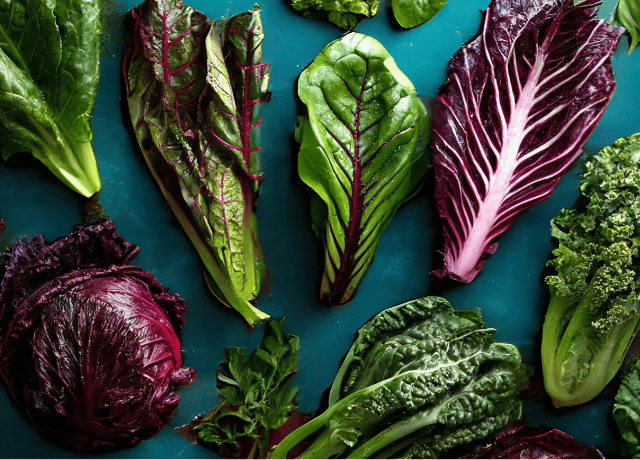
Practical tip: Aim for color diversity—dark leafy greens, berries, citrus, red/orange vegetables.
3. Factor in Dietary Fiber to Each Meal
Fiber is a type of carbohydrate found in plant foods that feeds our gut bacteria. Fiber can be found in fruits, vegetables, whole grains, nuts, seeds, and legumes.
Proven benefits:
- Lowers LDL cholesterol (soluble fiber)
- Improves blood sugar regulation
- Reduces inflammation markers (CRP)
- Supports a healthy gut microbiome, which influences immune and inflammatory responses in the lungs
Target: At least 25–38 g of fiber per day, depending on age and sex.

4. Be Strategic with Fat Sources
Fats are an essential, energy-dense macronutrient in the diet. There are different types of fat found in plants and animals that each have a different effect in the body.
Fats to prioritize:
- Unsaturated fats: Opt for olive oil, avocado oil, or walnut oil and add ground flax seeds, chia seeds, hemp seeds, pumpkin seeds, walnuts, almonds, pistachios, and/or cashews to meals and snacks
- Omega-3 fatty acids: Fatty fish: S.M.A.S.H (salmon, mackerel, anchovies, sardines, herring), ground flaxseeds/flaxseed oil, walnuts

Omega-3 fatty acids can reduce triglycerides and increase HDL cholesterol, which is the “good” cholesterol that is protective for the heart.
Fats to limit:
- Trans fats (found on food labels as partially hydrogenated oil)
- Excess saturated fat, especially from processed meats
5. Minimize Sodium: Increase Potassium & Magnesium
Sodium is an important nutrient that our body needs to function. Some disease states can benefit from increased sodium intake while others benefit from less.
Too much sodium can cause high blood pressure and fluid retention making this especially important to monitor in those with heart failure and/or kidney diseases.
High blood pressure strains the heart and damages blood vessels that supply both cardiac and pulmonary tissues.
To balance the effects of sodium in the diet, focus on including mineral rich foods that contain Potassium & Magnesium. Examples include: beans, leafy greens, bananas, potatoes, & avocado.

Our bodies need sodium to function, but try to limit sodium to ~2,300 mg/day (or lower for those with hypertension) while increasing intake of foods higher in potassium & magnesium.
6. Reduce Processed Foods, Added Sugars
Ultra-processed foods, such as pre-packaged snacks, are consistently linked to increased cardiovascular disease risk, weight gain, insulin resistance, and higher levels of systemic inflammation. (Find healthy snack options here.)

Added sugars, often found in these snacks & drinks, are associated with higher blood sugar. The body stores extra sugars as triglycerides posing a greater risk of mortality from heart disease or stroke.
A trusted resource for additional research & information is the National Institutes of Health: National Heart, Lung & Blood Institute.
If you would like to discuss how to better support blood sugar regulation, optimal cholesterol levels and manage blood pressure through diet and exercise, I’ve got you covered. Reach out to the front office to schedule an in-person or virtual appointment today.